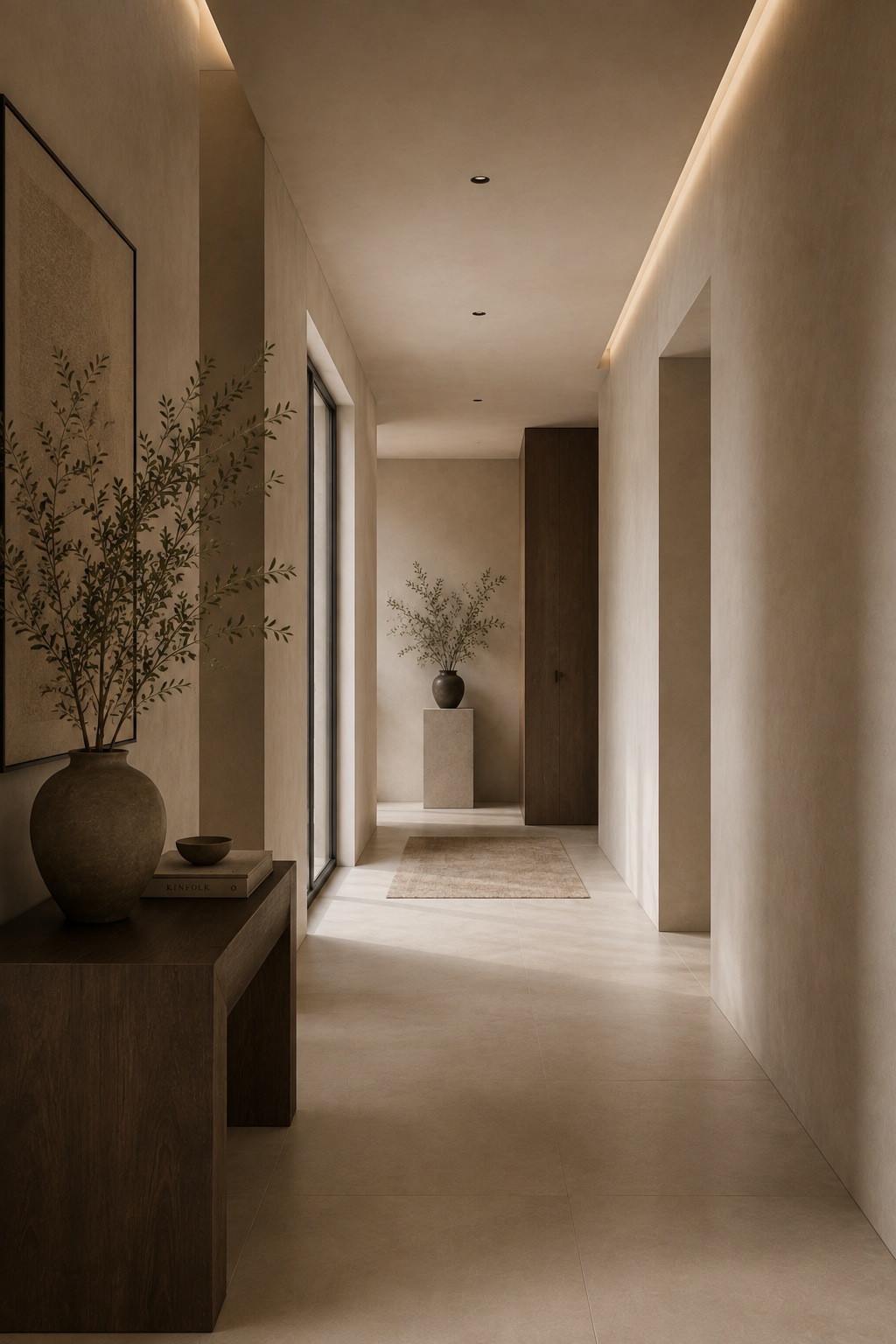
There is a chair in my grandmother's house. Walnut frame, fabric worn to the shape of a person. No one knows exactly who made it. It has outlived two generations of people who sat in it and will outlive us.
That chair is the standard. Not because of what it cost — nobody knows that either — but because it was made to be kept. It was made with the assumption that the person who owned it would keep it long enough for it to matter.
Most furniture today is not made with that assumption. It is made to be bought, staged, photographed, and replaced within a decade. It is made light, in both senses — lightweight and without gravity.
At 1962, our furniture begins with a question we ask before a joint is cut or a surface is oiled: Will this still be worth keeping in thirty years? Not just intact — kept, used, valued. The test is not durability. It is desire. Does this piece earn the space it takes? Does it age into itself, or away from itself?
Solid timber, natural finishes, hand processes that leave traces — these are not aesthetic choices. They are ethical ones. They are a bet that the person who buys this piece is not buying it for right now.